Fortnite Solo vs Squads High Kill Gameplay
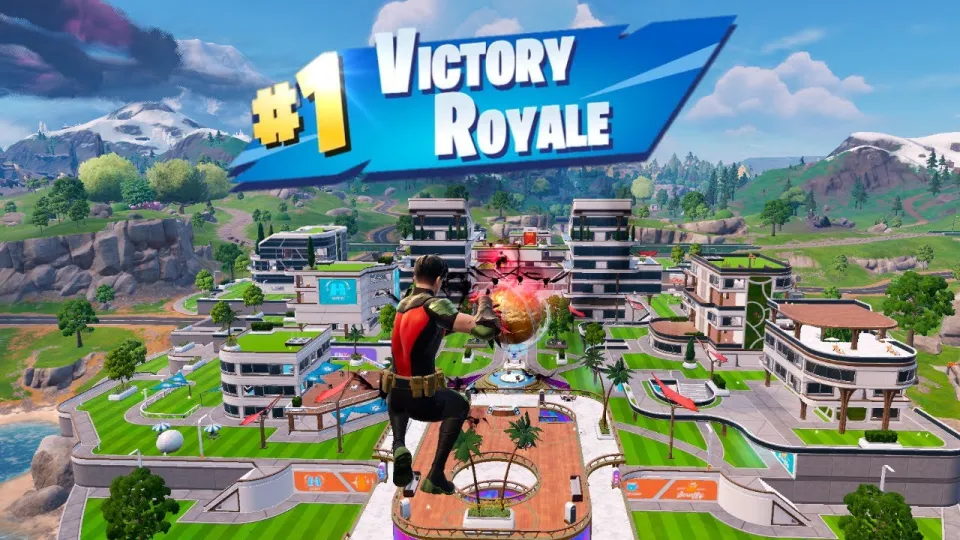
Video: 55 Kill Solo Vs Squads Wins Gameplay Full Game (Fortnite Chapter 6 Season 3 Ps4 Controller)
You can order the same kind of articles for your own video to boost it on YouTube and Google. Just message the Telegram bot @sat_sit_bot. Articles with your video embedded are written and posted by the bot itself — on popular topical sites (no ads). Your first 50 articles are free.
· based on the channel KingJoe83
Key takeaways
- Solo vs Squads means one player against full teams of two to four opponents.
- High kill counts come from fast drops, constant repositioning and clean third-party timing.
- A PS4 controller setup works fine when aim assist and build binds are tuned properly.
- Victory Royale in this mode usually requires isolating squads rather than fighting them head-on.
- Watching full uncut matches is the fastest way to learn rotation and fight selection.
Fortnite Solo vs Squads is a mode where a single player drops into a lobby of full squads and tries to outlast teams of two to four opponents alone. High kill counts in that mode come from fast drops, constant repositioning and picking fights one squad at a time instead of brawling in the open. The gameplay from KingJoe83 shows the pattern in full: a PS4 controller player chaining eliminations across a complete match rather than showing isolated highlight clips.
What makes Solo vs Squads different from normal solos
Solo vs Squads changes the math of every fight because every enemy you meet has at least one teammate who can revive, reboot or trade damage for them. In a standard solo lobby an elimination is permanent; in squads a knocked player is a countdown, and finishing a downed body is often more valuable than chasing the surviving shooter. The mode rewards players who break a squad apart, force separated 1v1s and deny revives instead of standing in the open trading shots with three people at once.
The practical consequence is that positioning matters more than raw aim. A player who lands on the edge of a POI, takes one kill and immediately rotates has a better chance than someone who wins a four-person spray fight and then gets cleaned up by the next team arriving on the noise.
The core loop behind a high kill count
A high kill game in this mode follows a repeatable loop rather than a lucky streak. The steps below are the ones that show up in almost every long Solo vs Squads run:
- Drop hot but land on a roof or a side building, not in the middle of the loot pool, so the first fight is a 1v1 rather than a 1v4.
- Clear the immediate building, grab a shotgun and a mid-range weapon, and move before the second squad finishes looting.
- Third-party the first squad fight you hear instead of starting your own; arriving after the first knock gives you free damage on players already low on health and shields.
- Finish downed opponents only when it is safe — a knocked body is bait, and bait pulls the remaining teammates into your line of fire.
- Rotate toward the next circle early, because the mid-game kills in squads lobbies come from players sprinting through open ground to beat the storm.
- In the endgame, isolate one squad at a time and use builds or natural cover to break line of sight on the others.
Each step compounds. A player who third-parties twice in the early game enters the mid-game with better loot, more mats and a health advantage, which is exactly the state that makes double-digit kill counts possible.
Controller settings and aim on PS4
Controller play on PS4 is not a handicap in Fortnite as long as the settings are deliberate. Aim assist does most of its work at close range with a shotgun or SMG, so sensitivity should stay low enough to track a strafing target without overshooting. Build sensitivity is usually set higher than combat sensitivity so a player can throw up a wall or ramp under pressure without dragging the stick across the whole pad.
A few settings decisions make the biggest difference:
- Keep the dead zone as low as the stick allows without drift; a large dead zone makes small aim corrections feel sticky.
- Bind a dedicated edit button and practice editing a single wall and window rather than full structures.
- Turn on visual sound effects if the headset is weak — footsteps and reboot van audio decide most mid-game fights.
- Use builder pro controls so every build piece has its own button instead of a hold-and-cycle menu.
None of this replaces time spent in creative or in low-stakes matches, but it removes the mechanical ceiling that makes controller players feel outclassed in squads lobbies.
Fight selection and third-partying
The single biggest skill in Solo vs Squads is deciding which fights not to take. A squad that is fully grouped and holding high ground is a bad target; the same squad split across two buildings after a rotation is four separate opportunities. Experienced players wait for the knock sound, the reboot van ping or the visual cue of a healing player, then push while the team is committed elsewhere.
Third-partying works because squads lobby fights are loud and long. Two teams trading damage create a window of ten to twenty seconds where both are weak and distracted. Arriving in that window with full shields converts a stalemate into two or three eliminations. The mistake is arriving late, after the winning team has already healed and reset — which is why rotating toward gunfire early, not after it stops, is the habit to build.
Recovering from a bad drop
Most high kill runs include at least one moment where the drop goes wrong and the player starts a fight with no shield or a grey weapon. The recovery pattern is consistent: disengage vertically, use a launch pad or a car to create distance, and loot a secondary POI that the main drop wave has already skipped. Squads rarely sweep the outer buildings of a POI once the initial fight is over, so those rooms stay stocked well into the mid-game.
Patience matters here. A player who re-enters a fight at 50 health to prove a point usually ends the match early; a player who spends ninety seconds healing and looting often comes back with three kills in the next circle because the lobby has thinned out and rotations are predictable.
Common questions from players trying the mode
Players new to the mode usually worry about the same handful of things: whether a controller can compete, how many kills are realistic, and why their matches end in the first two minutes. The honest answers are that aim assist closes most of the mechanical gap, that kill counts scale with survival time rather than aggression alone, and that early deaths almost always trace back to landing in the middle of a squad instead of on its edge.
Another recurring theme is motivation — watching a full uncut match makes the mode look effortless, while the first ten attempts usually end badly. The gap is not talent; it is familiarity with drop spots, rotation timing and the audio cues that tell you how many players are left in a building. Those improve with repetition far faster than aim does.
Final takeaway
Solo vs Squads in Fortnite rewards discipline more than flashy mechanics: land on the edge, third-party early, finish safely, rotate ahead of the storm and break squads into 1v1s. The full-match format on the KingJoe83 channel is useful precisely because it shows the boring parts — healing, looting, waiting — that make the kill count possible. Controller players on PS4 can replicate the approach with tuned sensitivity, builder pro binds and a habit of rotating toward gunfire instead of away from it. Watch one complete match, note where the player moves after each fight, and copy that pattern in your next drop.
Questions & answers
Can you win Solo vs Squads on a PS4 controller?
Yes. Aim assist handles most close-range tracking, and the mode is decided more by fight selection than by input device. Tuning sensitivity, using builder pro binds and keeping the dead zone low closes most of the mechanical gap with mouse and keyboard players.
How many kills is realistic in a Solo vs Squads match?
Double-digit kill counts are achievable once a player survives past the mid-game, because squads lobbies keep producing fights around rotations and third parties. Most players see their numbers climb when they stop chasing every fight and start arriving at fights that are already underway.
Why do my Solo vs Squads matches end in the first minute?
Early deaths usually come from landing in the center of a POI where a full squad is looting together. Landing on a roof or an outer building turns the first contact into a 1v1, and rotating immediately after the first elimination prevents the rest of the squad from collapsing on you.
Is it better to finish downed players or push the rest of the squad?
It depends on distance and cover. A knocked player is useful bait that pulls teammates into your line of fire, but an unattended down can be revived. Finish the body when the remaining squad is far away, and hold the angle when they are close enough to peek.
Source: 55 Kill Solo Vs Squads Wins Gameplay Full Game (Fortnite Chapter 6 Season 3 Ps4 Controller) · Markdown version